

How Inflation Affects Your Daily Shopping and Expenses
Discover the real-world impact of inflation on your grocery bills, rent, and everyday costs. See exactly how price increases ripple through your household budget.
Read MoreA clear breakdown of how Malaysia’s CPI tracks everyday prices and why economists rely on this measure to understand inflation trends.

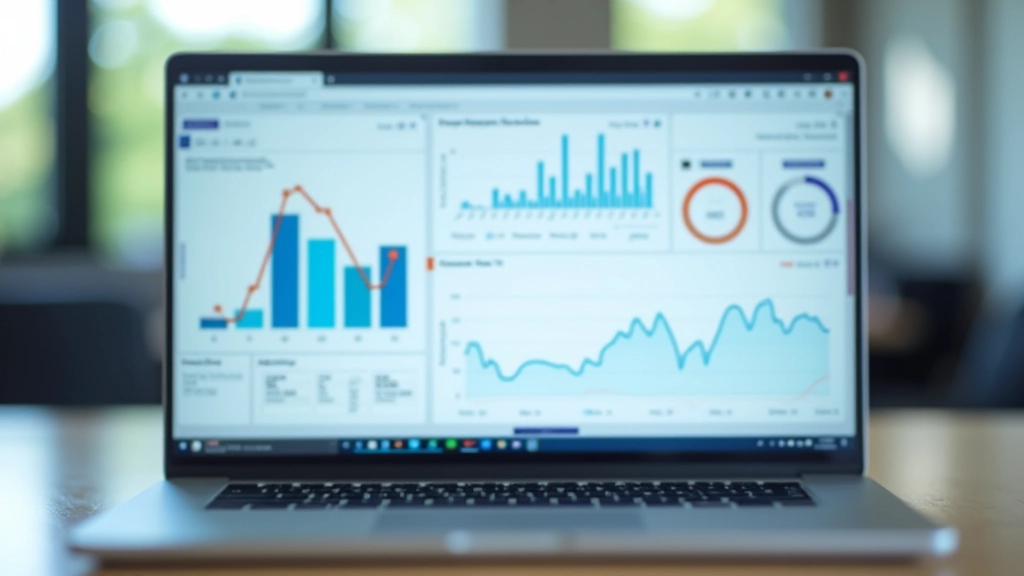
The Consumer Price Index sounds technical, but it’s really just a way to track what things cost. Every month, statisticians check prices on hundreds of everyday items — groceries, rent, utilities, transportation — and measure how much they’ve changed. It’s the most reliable snapshot we have of inflation in Malaysia.
When you hear that inflation is up 2.5%, that number comes directly from CPI data. It’s not theoretical or guesswork. Economists, policymakers, and everyday people use CPI to understand whether their money’s buying less than it used to. We’ll walk you through exactly how this works.

Think of the CPI as a report card for prices. Malaysia’s Department of Statistics collects data on about 600 items across multiple categories. They’re looking at everything from chicken prices to electricity bills to car maintenance costs. This isn’t done once and forgotten — it’s a continuous monthly process.
The index starts at a baseline of 100. If the CPI rises to 105, that means prices have increased 5% compared to the base period. Conversely, if it drops to 98, prices have fallen 2%. You’ll notice the index doesn’t show actual prices (like “eggs cost RM3.50”). Instead, it shows relative change, which is what really matters for understanding inflation.
CPI measures price changes, not absolute prices. A rise from 102 to 104 means the same inflation rate as a rise from 150 to 152 — both are 2% increases.
The process isn’t mysterious, though it does involve some careful methodology. Here’s how it works in Malaysia. First, statisticians create what’s called a “basket” — a representative collection of goods and services that typical households buy. This basket includes everything from rice and fish to petrol and mobile phone services.
Next comes the price collection phase. Field officers visit retailers — supermarkets, wet markets, petrol stations, utility companies — and record current prices. They collect data on the same items every month, comparing prices across different locations and brands to get a realistic average. This happens systematically across Malaysia’s major regions.
The actual calculation uses a weighted average method. Not all items matter equally. Housing costs carry more weight than candy prices because families spend more on rent or mortgages. Food gets more weight than entertainment. These weights reflect actual spending patterns from household surveys, ensuring the index accurately represents what ordinary people experience.
Select representative goods and services typical households purchase
Visit retailers monthly and record current prices across different locations
Assign importance based on household spending patterns from surveys
Compute weighted average and compare to base period to determine change
Malaysia’s CPI breaks down into eight main categories, and each tracks different aspects of household spending. This breakdown helps us understand where inflation is hitting hardest. Food and non-alcoholic beverages make up about 30% of the index — that’s why grocery prices matter so much to people’s everyday finances.
Housing, water, and electricity account for another 22%, making them the second-largest category. Transportation comes in at 17%, which includes petrol prices and public transport costs. The remaining categories cover clothing, health, recreation, and other goods and services. When you see that “inflation is 2.5%,” you’re really seeing a weighted average across all these categories combined.

Here’s where theory meets real life. If you’re planning your household budget, CPI tells you whether your expenses will likely increase. If you’re saving for retirement, CPI helps you understand how much purchasing power your money will have in 10 or 20 years. It’s not abstract — it’s about your grocery bills, your rent, your transportation costs.
Central Bank officials watch CPI closely because it guides monetary policy decisions. When inflation rises too quickly, they might increase interest rates to cool things down. When inflation stalls, they might lower rates to encourage spending. Businesses use CPI to set prices and plan inventory. Wage negotiations often reference CPI to justify salary increases.
Even simple things like comparing your salary growth to CPI inflation tell you whether you’re getting ahead or falling behind financially. If you got a 2% raise but inflation was 3%, you’ve actually lost purchasing power. Understanding CPI puts you in control of your financial decisions.

The Consumer Price Index isn’t a mysterious economic concept meant only for specialists. It’s a practical measurement tool that tracks price changes across the goods and services Malaysians actually buy. When statisticians visit supermarkets and petrol stations to record prices, they’re gathering the data that becomes your monthly CPI figure.
Understanding how CPI is calculated — the basket of goods, the price collection process, the weighted averages — helps you interpret inflation news intelligently. You’ll know that a 2.5% inflation rate doesn’t affect everyone equally. It hits harder on families who spend heavily on food and transportation, and lighter on those with smaller housing costs.
Next time you hear an economist mention the CPI, you’ll understand the methodology behind that number. You’ll know it’s based on real price data collected systematically across Malaysia, weighted according to how families actually spend their money. That’s not guesswork. That’s solid economic measurement.
Learn how inflation directly affects your daily expenses and what you can do about it.
Discover the Real-World ImpactThis article is provided for informational and educational purposes only. It’s intended to help you understand how Malaysia’s Consumer Price Index is calculated and what it represents. The information here reflects general economic principles and data collection methodology used by Malaysia’s Department of Statistics. Economic conditions, inflation rates, and policy responses vary based on countless factors beyond what any single article can address. For specific financial decisions related to your personal situation, we recommend consulting with qualified financial advisors or economists. This content is not financial advice, and circumstances vary by individual.